
Introducing the Jeep Intake Manifold Failure Issue:
If you’ve owned (or worked on) just about any modern Jeep, Dodge, or Ram vehicle in the last decade and a half, chances are you’ve had an encounter with the mighty — and sometimes mildly irritating — 3.6L Pentastar V6.
This engine has powered an absolutely massive range of vehicles, including:
- Ram ProMaster
- Ram 1500
- Dodge Durango
- Jeep Grand Cherokee
- Jeep Gladiator
- Jeep Wrangler (JK & JL)
- Dodge Journey
- Dodge Avenger
- Dodge Charger
- Dodge Challenger
- Dodge Grand Caravan / Chrysler Town & Country
For this article, we will refer to the Jeep and their owners (since it's our highest volume customer). The Jeep 3.6 Pentastar is reliable overall, fuel-efficient for its size, and makes decent power for a V6. But it has a few well known weak points and some that fly under the radar…
The plastic intake manifold.
And when the Jeep intake manifold fails, it doesn’t just quietly quit. It causes vacuum leaks, drivability problems, misfires, and a pretty good amount of frustration.
Why the Jeep (3.6) Intake Manifold Fails
The factory intake manifold on the 3.6 Pentastar is made of plastic — lightweight, cost-effective, and perfectly fine on paper.
In real life? Not so much.
After thousands of heat cycles and removal required for basic services the plastic can:
- Crack
- Warp
- Split at the seams
- Develop vacuum leaks
- Damage or pull out hardware
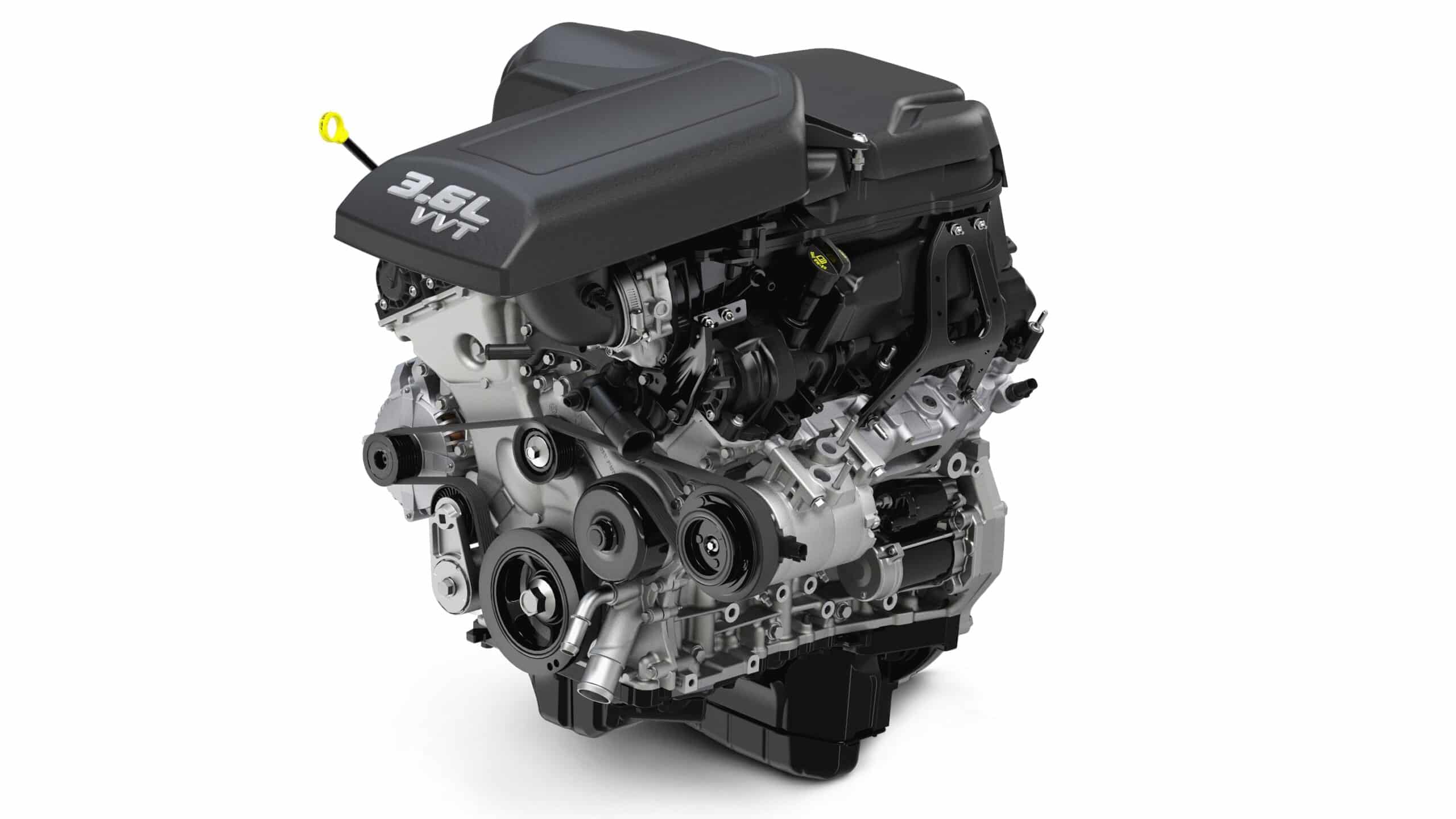
Constant exposure to engine heat and vibration slowly weakens the material. Over time, it can literally change shape (warp), which leads to poor sealing at the mating surface and unmetered air entering the engine.
Once that happens, all sorts of strange things begin to occur.
to back out just enough to compromise the seal.
Why the Jeep Intake Manifold Failure is a Serious Issue (Not Just “A Small Leak”)
Vacuum leaks aren’t just annoying — they’re a real problem for modern engines.
When extra air enters the system that the computer doesn’t account for, the engine starts running lean. That can cause:
- Rough idle
- Hesitation
- Loss of power
- Engine misfires
- Check engine light
- Fault codes for lean air/fuel ratios
- Poor fuel economy
- Hard start
Over time, driving with a vacuum leak can even damage:
- Spark plugs
- Fuel System
- Catalytic converters
- Internal engine components
And because the manifold is plastic, those cracks and warps don’t repair themselves. They only get worse.
This is one of those “small issue now, big repair later” situations.
The Hardware Problem: Plastic + Metal = Bad Relationship
Another common issue with these Jeep Intake manifolds is damaged or stripped mounting points. Plastic and metal bolts don’t always get along, especially when:
- Bolts are over-torqued
- The manifold has already become brittle
- It’s been removed multiple times
- It’s been heat-soaked a thousand times
Once those mounting points stretch, crack, or strip out, the intake can no longer seal properly — even if the gasket is technically new.
At that point, the only real fix is replacement of the entire manifold assembly.
The Jeep Oil Filter Housing Issue (A Major Contributing Factor)
Here’s where things get even more fun.
The 3.6 Pentastar is also famous for another issue:
The oil filter / oil cooler housing leak.
This is the plastic unit located in the valley of the engine, directly under the intake manifold. And it is notorious for cracking and leaking oil and coolant.
Guess what has to come off for basic repairs like spark plugs, injectors and every time that housing fails?
Yep — the intake manifold.
So now we have a part (the intake) that:
- Is made of plastic
- Doesn’t like being disturbed
- Doesn’t like heat
- Doesn’t like to be re-torqued repeatedly
…being removed over and over again to repair another poorly designed plastic part.
Each time the intake is removed and reinstalled:
- The risk of cracking increases
- Warping becomes more likely
- Hardware gets weaker
- Sealing ability goes down
Which means the oil filter housing issue directly increases the chances of a Jeep intake manifold failure and vacuum leaks later on.
It’s basically a perfect storm of plastic engineering.
Common Signs of a Failing Pentastar Intake Manifold
If your Jeep 3.6 is developing issues, here are some common red flags:
- Random “engine performance” messages
- Whistling or hissing noise under the hood
- Rough idle, especially in park
- Stalling at stop lights
- Check engine light (P0171 / P0174 lean codes)
- Poor throttle response
- Sudden drop in fuel economy
- Misfire codes
If these symptoms show up after you’ve just had some work done… the intake manifold is immediately suspect.
The Real Fix
When the Jeep intake manifold has cracked, warped, or has damaged mounting points, the only long-term solution is:
✔️ Replace the intake manifold
✔️ Use quality updated components
✔️ Ensure proper torque sequence
✔️ Replace any broken hardware
✔️Perform Maintenance like Spark Plugs while you're there
It’s also smart to smoke-test the system to make sure every vacuum leak is resolved before putting it back on the road.
Cutting corners here almost always means doing the job twice.
And nobody likes that kind of relationship.
Final Thoughts
The Jeep 3.6 Pentastar is a workhorse that shows up in everything from minivans to wanna be muscle cars to off-road rigs. But the plastic intake manifold is a common failure point.
Between heat, vibrations, and the high frequency of oil filter housing repairs — the Jeep intake manifold is often pulled into a battle it never signed up for.
REV Outfitters can help with our history of working on these vehicles. We have the know how to remove risk when working on 3.6’s and keep your rig running smoothly and head ache free.



